What’s actually slowing this PC down?
Pick the symptom - the matching free tool is one click away.
For an AI-assisted track built around an 85 BPM reference, start by confirming the reference’s tempo, then describe its groove and arrangement in a prompt without asking a generator to copy the song. Vocuno is the clearest fit for checking BPM and translating it into timing values; MelogenAI Song Analyzer adds estimated tempo and harmony details, SongSeed turns a selected Apple Music reference into songwriting and production direction, and Somio lets you set a tempo when generating. None of the supplied product details establishes a catalog of songs at exactly 85 BPM, so bring a reference you have identified yourself and verify the fit.
What An 85 BPM Reference Needs To Tell You
At 85 BPM, the number alone does not describe the feel. A beat can read as a steady midtempo pulse or suggest a faster subdivision, depending on the kick, snare, hi-hats, bass movement and phrasing. When choosing a reference, note where the backbeat lands, how busy the percussion is, whether the bass follows or answers the kick, and how the arrangement changes between sections.

Use 85 BPM as a production constraint, not a request to recreate a track. Describe audible traits in your own words and ask for a distinct melody, lyrics and arrangement. If the reference contains identifiable vocals, covers or samples, get the necessary consent and check the relevant platform terms before using them. The supplied product details do not establish specific rights for generated outputs or reference material.
Best Tools For Working From An 85 BPM Reference
1. Vocuno For BPM And Timing Calculations
Vocuno is the most directly relevant choice when your first question is whether an audio file is actually at 85 BPM. It says it can detect a file’s tempo and convert BPM into delay and reverb timing values for common note divisions. That gives you a practical starting point for checking the pulse and planning time-based effects.
Do these 3 things before closing this tab:
1Clear out junk files and repair common Windows errors2Fix the driver behind crashes, sound loss and screen glitches3Repair Windows errors before they cause bigger problemsShopping ad

- 176 Pages
- A Comprehensive and Convenient Source for All Musicians
- Packed with info from the Harmony & Theory course at Musicians Institute!
- Authors: Carl Schroeder and Keith Wyatt
- Softcover
Workflow: analyze your chosen audio file; if its detected tempo is 85 BPM, use the timing conversion as a reference for delay or reverb settings; then write a prompt that describes the groove and arrangement rather than requesting a copy. Example: “Create an original track at 85 BPM with a restrained kick, a clear backbeat, lightly subdivided percussion, and a warm bass line that leaves space between phrases. Build from a sparse opening into a fuller chorus; use new melodies and lyrics.” Vocuno’s supplied details do not state file limits, platform compatibility, or supported export formats; check its site for those specifics.
2. MelogenAI Song Analyzer For A Musical Blueprint
MelogenAI Song Analyzer reports estimated tempo, tonal center, a harmony skeleton, genre, mood and instrumentation, and describes its analysis as a way to turn a track into production blueprints and prompt an AI music generator. It is useful when a reference’s harmony or instrumentation matters alongside its pulse. Tempo is described as an estimate, so treat 85 BPM as something to verify rather than assume from the report.
Shopping ad

- Format: Book
- Category: Textbook - General
- Contributors: By Tom Gerou and Linda Lusk
- Pub Date: 10/1996
- Series: Essential Dictionary Series
Workflow: analyze a reference you have selected, note the reported tempo and musical traits, then use only the traits you want to carry into an original piece. Example: “At 85 BPM, make an original midtempo arrangement with a steady backbeat, uncluttered low end, and a gradual lift into the chorus. Keep the harmony simple and the instrumental layers distinct; write a new melody.” Free users can preview about 30% of the professional report; a full analysis is designed to cost 10 credits for subscribed users. Check the vendor’s site for current access details and for any unsupported specifics about file handling or device compatibility.
3. SongSeed For Structure And Writing Direction
SongSeed lets you pick a reference from the Apple Music catalog and breaks it down into lyrics, structure, mood, instrumentation and emotional arc. It can turn that analysis into writing direction, production prompts, style tags, chord diagrams and ideas to save. This makes it a fit when you want to study how an 85 BPM song develops across sections, rather than focus only on tempo. Its supplied details do not say that it identifies or filters songs by BPM, so choose and verify the reference separately.
Shopping ad

- Alfred Publishing Co. Model#0016486
Workflow: select a reference whose tempo you have confirmed, study its structure and emotional arc, then ask for a different arrangement with the same broad pacing. Example: “Use a measured 85 BPM pace and a gradual emotional rise from verse to chorus. Keep the verse lean, introduce a contrasting texture in the pre-chorus, and make the chorus wider without increasing the pulse. Create original lyrics and a distinct melody.” SongSeed is listed for iOS 18 or later, with a free download and SongSeed Pro available; Android support is not established in the supplied details. Galaxy users should check the vendor’s site for access options. A 5.0-star App Store rating is also listed.
4. Somio For Generating At A Chosen Tempo
Somio generates music from text prompts, lyrics and reference audio, with options including mood, genre, tempo, vocal gender and vocal style. Its tempo option makes it a candidate for generating an 85 BPM idea after you have decided what the reference teaches you. The supplied details do not establish tempo accuracy, specific genre support, or how reference audio affects a generated result.
Shopping ad
Workflow: set the tempo to 85 BPM and describe the groove, energy and arrangement in the prompt. Example: “Generate an original 85 BPM track with a relaxed but defined backbeat, restrained percussion, and a bass part that leaves room for the vocal. Let the second half gain energy through added layers, not a faster tempo. Use a new melody and lyrics.” Somio offers 10 credits for new users, according to its supplied product details. Check its site for current terms, device compatibility, reference-audio requirements and rights information.
Independent reader supportYour contribution helps us test, update, and keep practical guides available for everyone.A Galaxy-Friendly Reference Workflow
- Choose a song you can appropriately use as a reference and identify its tempo with a BPM tool such as Vocuno. Confirm that the result is 85 BPM before treating it as a fixed production target.
- Write down the traits you want to borrow at a high level: pulse, backbeat placement, percussion density, bass movement, section changes and emotional arc. Avoid copying lyrics, melodies or identifiable vocal performances.
- Use an analyzer or reference-based songwriting tool for the part of the job it supports, then move those observations into a generation prompt that explicitly asks for original material at 85 BPM.
- Listen back for the feel as well as the number. If the result feels too fast or too slow, revise the subdivision, drum density and phrasing in the prompt while keeping the requested tempo clear.
The supplied details do not establish Android availability for these products. SongSeed is specified for iOS 18 or later; check each vendor’s site for Galaxy access, browser support, file handling and current product terms before choosing a workflow.
Windows Errors? Fix Them Before They Spread
Repair common Windows errors and clear accumulated junk for a smoother, more stable PC - no reinstall needed.Free scan · no reinstallCrashes, No Sound, or Screen Glitches?
Random freezes, missing sound and display glitches usually trace back to one bad driver. Find and replace yours safely.Free scan · under a minuteQuick Recap
Shopping ad
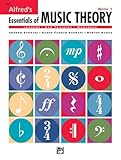
- An all-in-one music theory course designed for students of any age — whether listeners or performers — who want a solid understanding of the language of music
- Covers foundational concepts including staff, notes, pitches, clefs, time signatures, note values, dynamics, flats, sharps, and whole and half steps across 25 concise lessons
- Combines reading and writing exercises with ear-training support (CDs sold separately) and unit reviews to reinforce learning and test knowledge retention
- Compatible with optional computer software featuring randomized drilling and scorekeeping for interactive, self-paced study
- Part of a complete product line including Teacher's Answer Keys, Flash Cards, Double Bingo games, and Reproducible Teacher's Activity Kits for studio and classroom use
Product prices and availability are accurate as of the date/time indicated and are subject to change. Any price and availability information displayed on Amazon at the time of purchase will apply.