Quick wins for a faster PC:
Scan for outdated or missing drivers - takes under a minuteDriver Scan →Clear out junk files and repair common Windows errorsFree Scan →Fix the driver behind crashes, sound loss and screen glitchesFind Drivers →Samsung Mobile is reader-supported. When you buy through links on our site, we may earn an affiliate commission. As an Amazon Associate I earn from qualifying purchases. Learn more
Smartphone photography feels like it’s standing at a bit of a crossroads right now. Computational photography has done some honestly impressive things over the past few years. Night modes got cleaner, portraits got smarter, and AI filled in gaps most of us didn’t even notice at first. Still, there’s a point where software just runs out of room to maneuver. Glass is glass. Sensors are sensors. And phones are thin, sometimes painfully so.
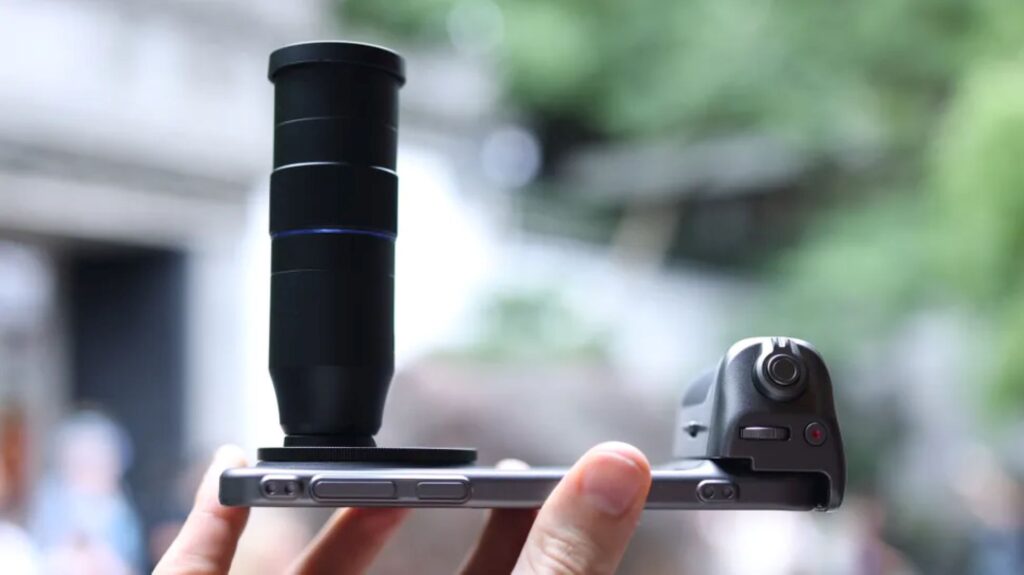
That tension is probably why telephoto adapters are suddenly everywhere. External lenses that snap or screw onto your phone might seem like a step backward at first, but maybe they’re more of a quiet admission. We’ve squeezed just about everything we can out of the hardware inside the phone itself.
As an Amazon Associate I earn from qualifying purchases.
The appearance of premium photography kits from brands like Oppo working alongside Hasselblad, or Vivo teaming up with Zeiss, feels telling. It suggests that even the biggest manufacturers know there’s only so much software can fake. If you really want long-range clarity that starts to resemble a DSLR, you need more physical optics. There’s no clever workaround for that.
This guide walks through how to tell if your phone has reached its hardware ceiling and, if it has, how telephoto adapters can help you push past the usual digital zoom limitations.
Shopping ad

- 【10X Telephoto & Macro 2-in-1 Lens】Experience the power of two professional lenses in one. This dual lens combines a 10X telephoto lens for Phone to bring distant stage moments at concerts clearly closer, and the 10X macro lens focuses at 8 inches – far enough to capture flowers, leaves, and insects in the wild without casting shadows or scaring them away
- 【Superior Optical Clarity & Sharpness】Featuring a complex 12-element optical structure with full-surface multi-layer coating, this Phone telephoto lens is engineered to significantly reduce glare and distortions. This advanced design helps deliver sharper, clearer images with more vibrant colors and improved light transmission for higher-quality photos
- 【Lightweight & On-the-Go Ready】Weighing only 5.12 oz, this clip-on telephoto lens for Phone is incredibly lightweight and portable. Its minimalist design slips effortlessly into your pocket, making it the perfect, hassle-free companion for travel adventures, hiking trips, or spontaneous concerts without adding any bulk to your gear
- 【Universal Clip-On Compatibility】Designed as a universal phone camera lens, it is compatible with a wide range of smartphones, including most Phone and Samsung Galaxy models. Simply clip it onto your phone's camera in seconds—no tools or complicated setup required—to instantly upgrade your mobile photography
- 【Unleash Your Creative Potential】Go beyond your phone's standard camera limits. This Phone macro lens and telephoto combo empowers you to explore new perspectives, from vast landscapes to intricate close-ups. It’s an ideal tool for content creators, photography enthusiasts, and fans who want to capture professional-level shots
Step 1: Identify Your Hardware Constraints
Before spending money on new gear, it helps to understand why zoom shots from your phone tend to fall apart so quickly. Most of the time, it’s not user error.
Sensor Size
Smartphone telephoto sensors are small, often around 1/2.51 inch or even smaller. That limits how much light they can capture. Less light usually means more noise, especially once zoom is involved.
The Tool Desk
Outbyte Driver Updater FREEFix the driver behind crashes, sound loss and screen glitchesFind Drivers →Outbyte PC Repair FREEClear out junk files and repair common Windows errorsFree Scan →Focal Length
The main camera on most phones sits around 24mm equivalent. To reach a true 10x optical zoom, you’d need something closer to 240mm. Physically, that just doesn’t fit inside a phone that’s only a few millimeters thick, unless you rely on folded periscope designs, and even those have limits.
Digital vs. Optical Zoom
Once you zoom beyond your phone’s dedicated telephoto lens, typically past 3x or 5x, you’re no longer gaining detail. The phone is cropping and enlarging pixels. The result looks softer, sometimes muddy, and there’s no real way around that using software alone.
Step 2: Choose the Correct Adapter System
Not all telephoto adapters solve the same problems. Some help a little, others introduce new issues.
Manufacturer Kits
Brand-specific kits designed for certain phones tend to offer the best optical alignment. They’re tuned for the sensor and lens they’re paired with, which reduces distortion and edge softness.
PC Slower Than It Used to Be?
A free scan shows the junk files, broken settings and background clutter dragging Windows down - then fixes them in one click.Free scan · Windows 10 & 11Crashes, No Sound, or Screen Glitches?
Random freezes, missing sound and display glitches usually trace back to one bad driver. Find and replace yours safely.Free scan · under a minuteShopping ad

- Get Closer To Everyday Distant Moments: Bring distant sports events, birds, boats and travel landmarks closer when your phone camera cannot reach. The 28X optical telephoto lens is designed for stable outdoor subjects approximately 49–262 ft / 15–80 m away, making everyday long-distance observation and smartphone photography more accessible.
- Wider, More Natural Telephoto View: Compared with many higher-power phone telescopes, the 28X design provides a wider field of view and makes distant subjects easier to find and frame. It is a practical choice for beginners who prefer a more natural telephoto view instead of an extremely narrow image.
- Smaller Edge Darkening—Phone Models May Vary: Designed to reduce edge darkening on many smartphones. Because camera position and sensor size vary, some newer multi-camera phones may still show slight dark edges at 1X. Center the lens over the main camera and apply a small amount of phone zoom when needed.
- Manual Focus For Clearer Distant Detail: Rotate the focus ring slowly until your subject appears sharp. At 28X magnification, even small hand movements become visible, so brace your arms or use a tripod for clearer photos and video. For moving subjects, set your position and focus before the moment begins.Tripod is recommended and sold separately.
- Universal Clip For Popular Smartphones: Works with many iPhone, Samsung Galaxy, Google Pixel and Android main cameras. Remove thick phone cases, identify the main 1X camera, center the lens carefully and disable automatic macro or lens switching when possible. The aluminum body also works as a compact handheld monocular for travel and outdoor observation.
Universal Pro Rigs
Cage-based systems from companies like Beastgrip or ShiftCam use metal frames or custom cases to hold heavier glass lenses precisely in place. They’re bulkier, yes, but also more reliable.
Clip-on Lenses
Cheap clip-ons are tempting, and I get why. Still, many rely on plastic optics and loose alignment. That often leads to vignetting and blur. If you go this route, stick to glass-based brands like Moment or Sandmarc, even if the price feels a bit high.
Step 3: Mount and Align for Maximum Clarity
Even premium glass won’t help much if it’s off-center by a millimeter.
Remove your standard phone case if required. Most adapters need a proprietary case or a bare phone to sit close enough to the internal lens.
Do these 3 things before closing this tab:
1Scan for outdated or missing drivers - takes under a minute2Clear out junk files and repair common Windows errors3Fix the driver behind crashes, sound loss and screen glitchesClean everything. It sounds obvious, but fingerprints can confuse your phone’s image processing and cause aggressive sharpening or noise reduction.
Secure the mount. Threaded systems should be tightened until fully seated. Magnetic mounts should snap firmly into place. Any sagging at long focal lengths will show up in the final image.
Shopping ad

- 【36X Magnification】Our powerful telephoto lens for iPhone and Android devices offers a massive 36x optical zoom. It allows you to photograph subjects from over 1000 meters away, capturing sharper, brighter images with excellent color fidelity and reduced distortion
- 【Real-Life Scenarios – Bird Watching, Golf, Travel】Capture stage details from the back row, spot birds in treetops, or zoom in on fairway action. This lens turns your phone into a powerful telephoto camera for any long‑distance scene
- 【Lightweight Build, Heavy‑Duty Performance】Aircraft‑grade aluminum + premium optical glass. Built to last, yet light enough to slip into your bag. Professional image quality without the professional price tag
- 【Crystal‑Clear Optics】Multi‑coated glass elements reduce distortion and flare. Enjoy sharp, vibrant images with true‑to‑life color – even when shooting from over 1000 meters away
- 【Fits Most Smartphones – Check Your Phone Width】Clip adjusts from 2.6 to 3.7 inches (66–95mm) – works with iPhone (16–12 Pro series), Samsung Galaxy, Google Pixel, and most other phones within this width. For iPhone 17 Pro/Pro Max, keep your phone case on for a secure fit
Step 4: Configure Software to Bypass Auto Switching
This is where many setups quietly fail. Modern phones love making decisions for you.
Use a third-party camera app that allows manual lens selection. Apps like Halide on iOS or Open Camera on Android let you lock the camera you’re actually attaching the adapter to.
Manual focus helps more than people expect. Telephoto adapters change effective focus distances, and autofocus doesn’t always adapt gracefully. A quick tap or slider adjustment can make a surprising difference.
Disable digital zoom entirely. Shoot at the native crop of the adapter, whether that’s 2x or something similar. Stacking digital zoom on top of optical magnification usually makes things worse, not better.
Step 5: Stabilize for Long Focal Lengths
At high magnification, even breathing can introduce blur.
Shopping ad

- Upgraded 28x Telephoto Lens – Wider View & Easier Framing: Designed for everyday users, this 28x telephoto lens delivers a wider field of view than most 28x lenses, making it easier to find and frame distant subjects. Whether you're at a concert, a sports game, or just exploring nature, you'll get crisp, high-resolution close-ups without the hassle of perfect alignment.
- Advanced Optical Performance with Reduced Edge Darkening: Features a breakthrough light path design for an ultra-wide view and excellent light intake. The field-of-view ring helps reduce edge darkening, so you get a cleaner image with fewer dark corners (results may vary by phone model). High resolution and true color reproduction significantly enhance your mobile photography.
- Stable Long-Distance Capture & Monocular Function: With 28x magnification, capture clear and steady shots of distant subjects. The lens can also be used as a monocular telescope for extended observation—perfect for birdwatching, wildlife, or scenic views.
- Wide Compatibility & Versatile Use: Perfect for sports events, concerts, bird watching, wildlife observation, and travel. Compatible with iPhone, Samsung, Huawei, Xiaomi, OPPO, Vivo, and most other smartphones.
- Portable & User-Friendly: Crafted with high-quality glass and a durable yet lightweight body. The universal clip attaches securely to your phone, and the compact design fits easily in a pocket or bag—ideal for travel and outdoor adventures.
A tripod is almost essential. Many professional adapters include a standard 1/4 inch thread, which makes mounting straightforward.
Use a remote shutter or headphones to trigger the shot. Touching the screen, even gently, can create just enough vibration to soften the image. It’s a small thing, but it matters more than you’d think.
Core Entities and Definitions
Telephoto Adapter
An external optical accessory that increases a camera’s focal length, allowing greater magnification than the built-in lens can provide.
Focal Length
The distance between the lens and the image sensor, which determines field of view and magnification.
Free tools Windows power users keep installed
One-click scans. No signup required.
Computational Photography
Software-driven image processing that uses algorithms and AI to enhance or reconstruct images beyond raw hardware capabilities.
Vignetting
A reduction in brightness or saturation near the edges of an image compared to its center.
Shopping ad
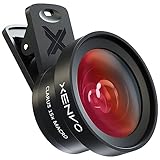
- ✔ COMPATIBLE WITH ALL SMARTPHONES, TABLETS, and LAPTOPS including ALL iPhone models, Samsung Galaxy and Note, Google Pixel, Huawei and more. CONTENTS INCLUDE: TruView 0.45x Wide Angle Lens, Clarus 15x Macro Lens, TruGrip Lens Clip, GlowClip Mini Rechargeable LED Light + Charging Cable, Quick-Release Lanyard, DuraCase, EasyClip, and Cleaning Cloth.
- ✔ TRUVIEW 0.45x WIDE ANGLE LENS - CAPTURE 45% MORE PICTURE WITH EVERY SNAP: Shoot stunning photos of people, pets, travel scenery, landscapes, architecture, selfies and more. NO DARK CORNERS (vignetting) like cheaper lenses. Crafted from aircraft-grade aluminum and premium optical glass for durability and clarity. Multi-element, coated glass lenses minimize ghosting, reflections, lens flare, and other artifacts. Xenvo cell phone lens attachment is ideal for hobbyists and photography pros alike.
- ✔ CLARUS 15x MACRO LENS - MARVEL YOUR SENSES. MAGNIFY NEARBY SUBJECTS FOR BREATHTAKING, SUPER CLOSE-UP PHOTOS: Capture all the intricacies and details with precision-focus for razor crisp macro photos every time. (For best results, position macro lens approximately 1/2 inch from subject. Not designed for zooming in on distant subjects.) THE TRUGRIP LENS CLIP offers SUPERIOR GRIPPING POWER to fasten your lenses to your cell phone when you're in action mode, framing your next perfect shot.
- ✔ GLOWCLIP RECHARGEABLE LED FILL LIGHT - The GlowClip LED light clips ANYWHERE on your phone to instantly illuminate your subject and surroundings with warm continuous light. The warm and natural LED light is superior to your smartphone's built in flash—which can be blinding and unnatural—especially in darker settings and venues. FEATURES 3 BRIGHTNESS SETTINGS: Low, Medium and High. Say goodbye to frustrating photo "retakes" and hello to brilliant photos the first time.
- ✔ QUICK-RELEASE LANYARD AND TRAVEL CASE - TRANSPORT AND PROTECT YOUR LENS KIT: Perfect for taking your Xenvo lenses with you on the fly. The travel case stores and protects all lens kit components snugly and safely while the quick-release lanyard is the perfect way to carry your lenses on your next outing. Just drape the lanyard and lens around your neck. The quick-release lanyard head makes it a cinch to access your Xenvo lenses in a flash so you never miss another photo moment.
So yes, maybe telephoto adapters do signal that smartphone cameras have hit a physical limit, at least for now. But they also show something else. Instead of pretending physics doesn’t exist, the industry seems to be acknowledging it. And for photographers who want real reach without carrying a full camera bag, that’s not such a bad outcome.
Independent reader supportYour contribution helps us test, update, and keep practical guides available for everyone.Frequently Asked Questions
Q: Do telephoto adapters make my phone photos look like a DSLR?
A: They bring you much closer. While they don’t change the sensor size, they provide optical reach, which prevents the “oil painting” look of digital zoom.
Q: Can I use a telephoto adapter on any phone?
A: Generally, yes, but you need the right mounting system. Universal clips work for most, but flagship phones with large “camera islands” often require specific cases for proper alignment.
Q: Is “100x Space Zoom” the same as using an adapter?
A: No. “Space Zoom” is largely AI-driven digital cropping. A telephoto adapter provides a physical, optical change to the light entering the camera, preserving much higher detail.
Recommended Free Tools
Q: Why are brands like Xiaomi and Oppo releasing these now?
A: Because they have reached the maximum thickness consumers will tolerate for a phone. To give users more zoom without making the phone thicker, they are moving the extra glass to an optional external accessory.
Quick Recap
Product prices and availability are accurate as of the date/time indicated and are subject to change. Any price and availability information displayed on Amazon at the time of purchase will apply.